






When you're going through cancer treatment, it may help to think of food as fuel.
Eating well can help you keep your strength, manage side effects, and support your body's recovery.
It's important to speak with your care team about nutrition and diet recommendations that are right for you.
Adequate protein, for instance, supports muscle health and energy.
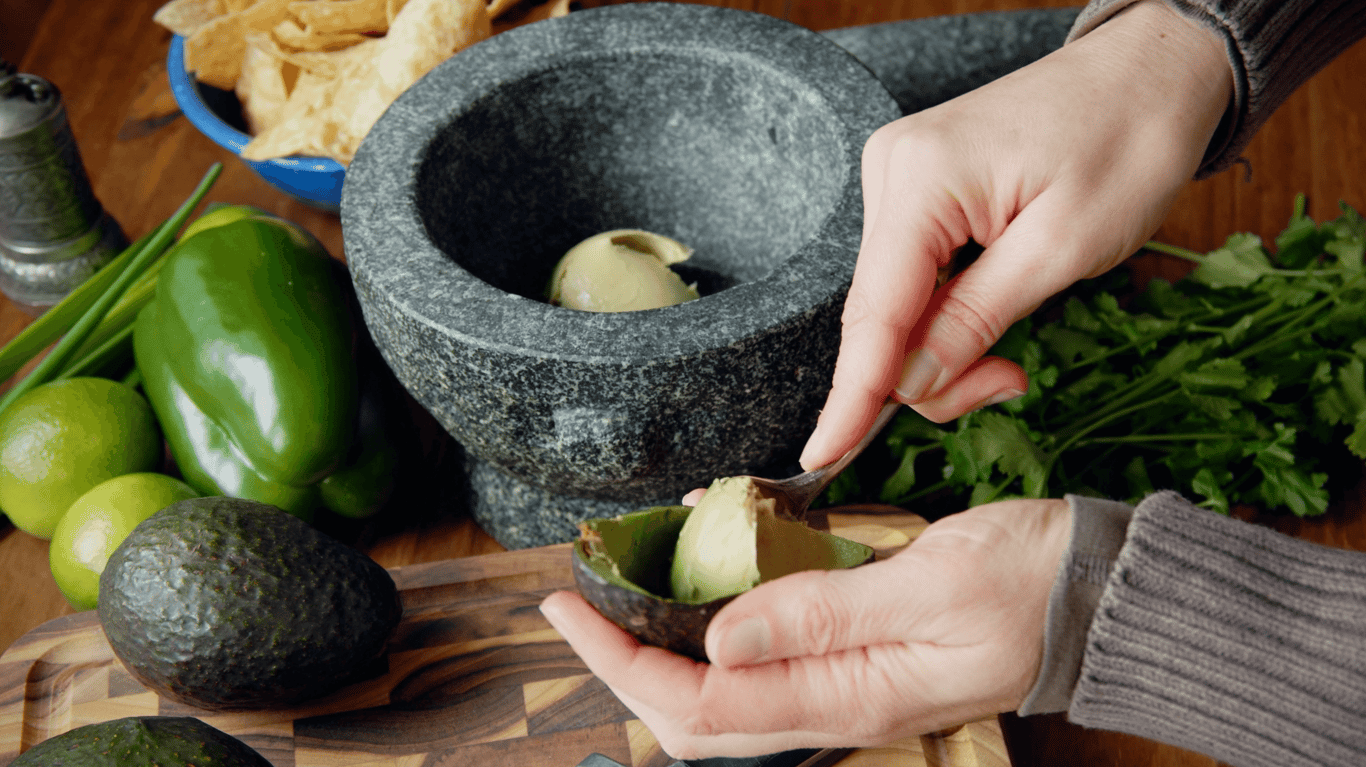
Healthy fats — like avocados, walnuts, and olive oil — may help reduce inflammation in the body.
Drinking plenty of water is also important during cancer treatment, because treatment side effects may leave you dehydrated.
You also may need to eat more soft foods, and add mild-flavored, homemade, or non-spicy sauces and gravies if you have trouble chewing and swallowing.
One challenge when you're living with cancer is that you may not always feel like eating.
Treatments can interfere with your senses of smell and taste, and side effects may make food less appetizing.
Here are some Microsteps to support healthy eating during cancer.
Try eating small snacks throughout the day instead of three large meals.
If you've lost your appetite or are experiencing side effects, smaller portions are often easier to tolerate.
Include one protein-rich food in at least one meal each day, such as yogurt, eggs, beans, chicken, tofu, or nut butter.
Protein supports your muscles and provides the building blocks your body needs to promote healing.
Keep a water bottle within reach and sip from it regularly throughout the day.
Staying hydrated supports your body during treatment, prevents dehydration, and helps reduce fatigue.
If you're feeling nauseous, brew a warm cup of ginger or peppermint tea, suck on a slice of lemon or eat ginger chews.
These simple remedies may help calm your stomach.
Stock up on soft and throat-soothing foods like applesauce, yogurt, gravies, homemade and mild-flavored sauces, sugar-free gum, and ice chips.
These choices stimulate saliva, ease swallowing, soothe soreness, and help you get needed calories.