






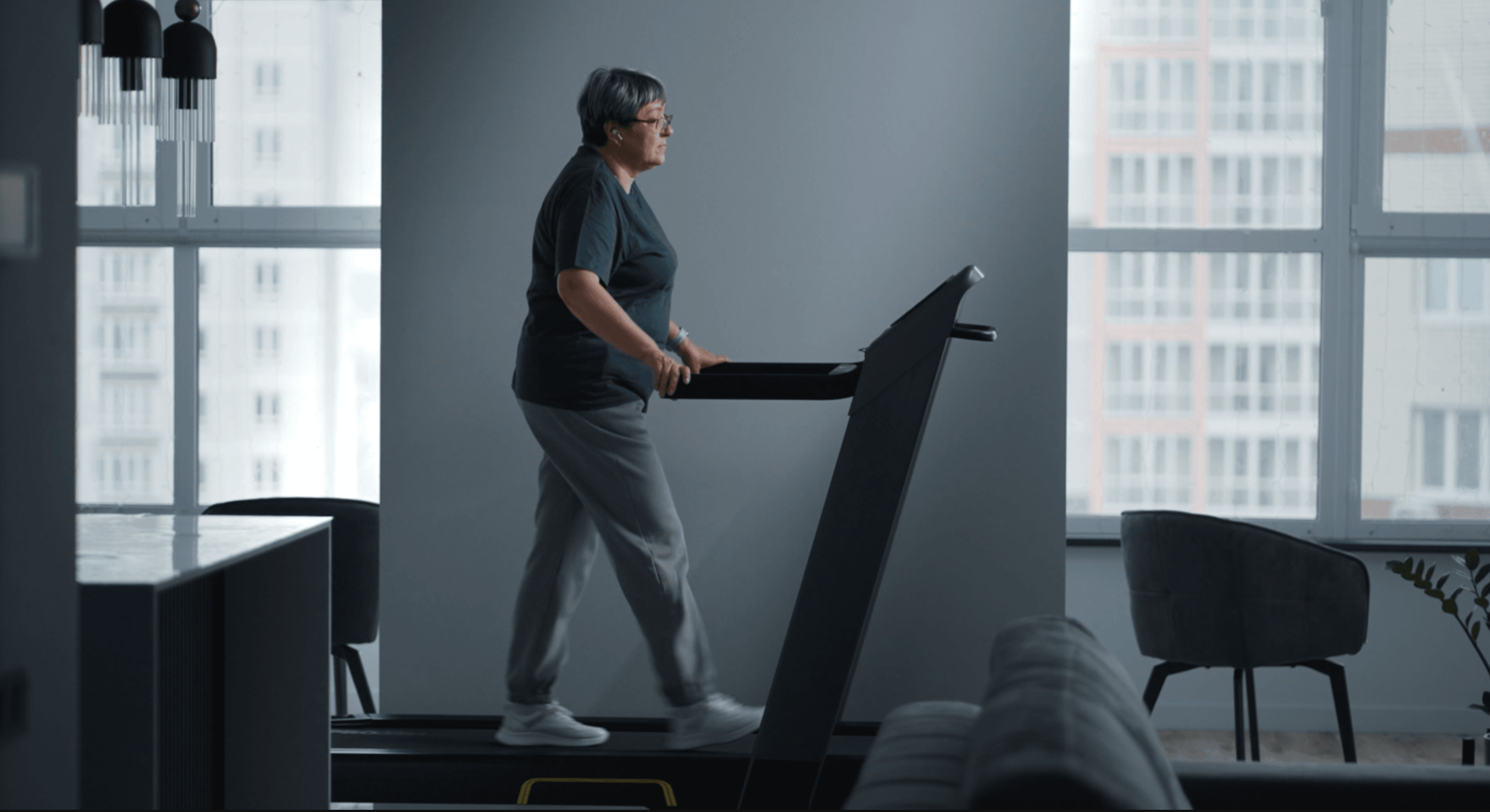
Staying active during and after cancer treatment may not always feel easy or even possible.
But finding small ways to keep moving can support your recovery and long-term health.
Some of the benefits of physical activity may include:
- A lower risk of cancer coming back
- Prevention of other illnesses, such as heart disease or diabetes
- Improved mental and physical health
Gentle movement such as walking, gentle running, or dancing all count.
How much you move will vary, depending on how you feel, your symptoms and where you are in your cancer journey.
But in general, you should try to do some type of physical activity every day and avoid long periods of not moving.
Over time, aim to gradually work up to about 30 minutes of movement most days.
As always, talk to your care team before you start a new movement plan.
Discuss any activity limits or precautions you should take based on your specific diagnosis and treatment plan.
Ask if they can refer you to a cancer-specific fitness program.
It's a good idea to start slowly.
Listen to your body and rest as needed, stopping if you feel dizzy or unsteady.
Once you've received a green light from your care team, you can try these Microsteps to get started.
Take a 5-minute walk around your home or yard each day.
Even short, gentle activity helps reduce fatigue and keeps your body moving.
Stretch your arms overhead and march in place for 2 minutes when you're watching television.
Light warm-ups improve flexibility and prepare muscles for movement.
Set your phone alarm to stand up and move once an hour during the day.
Avoiding long periods of sitting helps your circulation and energy.
Do 10 chair sit-to-stands once a day, using the armrest if needed.
Simple strength exercises maintain muscle and bone health.
Keep a filled water bottle nearby and drink before and after any exercise.
Staying hydrated supports your body's recovery and prevents dizziness.